

The employment landscape in 2026 looks fundamentally different from what it was a decade ago. Employers are no longer impressed by degrees alone. They prioritize verified, job-ready competencies—especially in artificial intelligence, cloud infrastructure, data analytics, and cybersecurity.
AI certifications have become powerful career accelerators. They are faster, more affordable, and directly aligned with industry needs. In many cases, they generate higher ROI than a traditional four-year degree.
Below are seven certifications that consistently translate into strong income growth and long-term career resilience.
Why AI Certifications Are Outpacing Traditional Degrees
1. Skills Over Credentials
Organizations now recruit based on capability. Certifications demonstrate applied knowledge, practical exposure, and current technical alignment.
2. Faster Entry Into High-Paying Roles
Most certifications can be completed within 1–3 months. Compare that to multi-year academic programs.
3. Industry-Designed Curriculum
These programs are built by companies actively hiring for these skills—meaning the training is market-relevant.
However, not all certifications are valuable. Many online certificates lack employer recognition. The programs below are consistently respected in hiring pipelines.
1. IBM AI Product Manager Certification
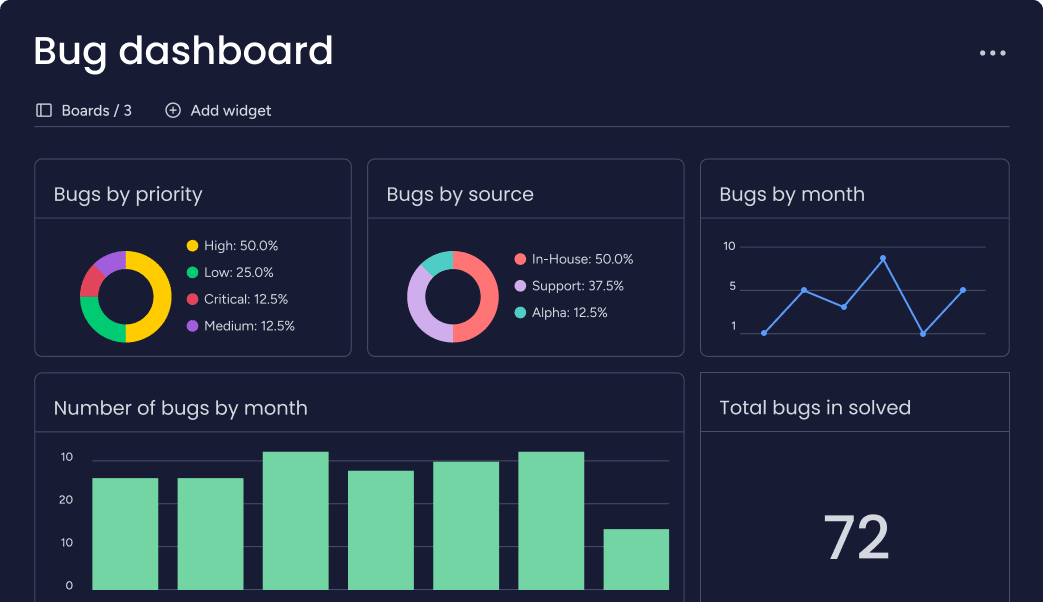
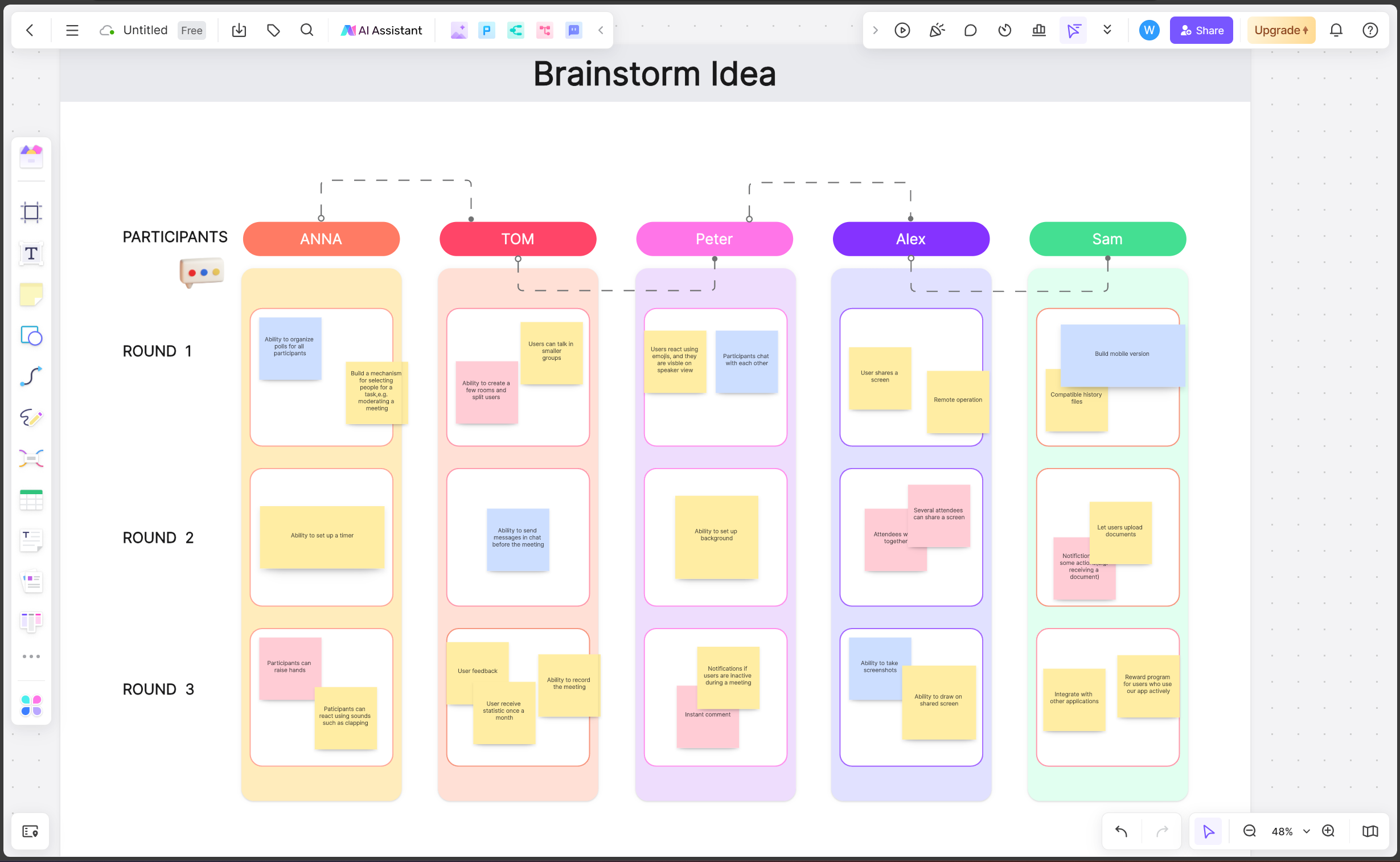


AI product managers sit at the intersection of business strategy and artificial intelligence. They do not build models; they define how AI solves real-world problems.
Role Overview
- Identify opportunities for AI integration
- Define product features and user experience
- Coordinate between engineers, designers, and stakeholders
- Measure product performance and optimization
Why It’s High-Value
- Strong salary trajectory (often six figures early on)
- Rapidly expanding field
- Minimal coding requirements
This certification teaches AI fundamentals, product lifecycle management for AI systems, and cross-functional collaboration techniques.
Ideal for: Strategic thinkers, business professionals, non-coders entering AI.
2. Google Data Analytics Professional Certificate

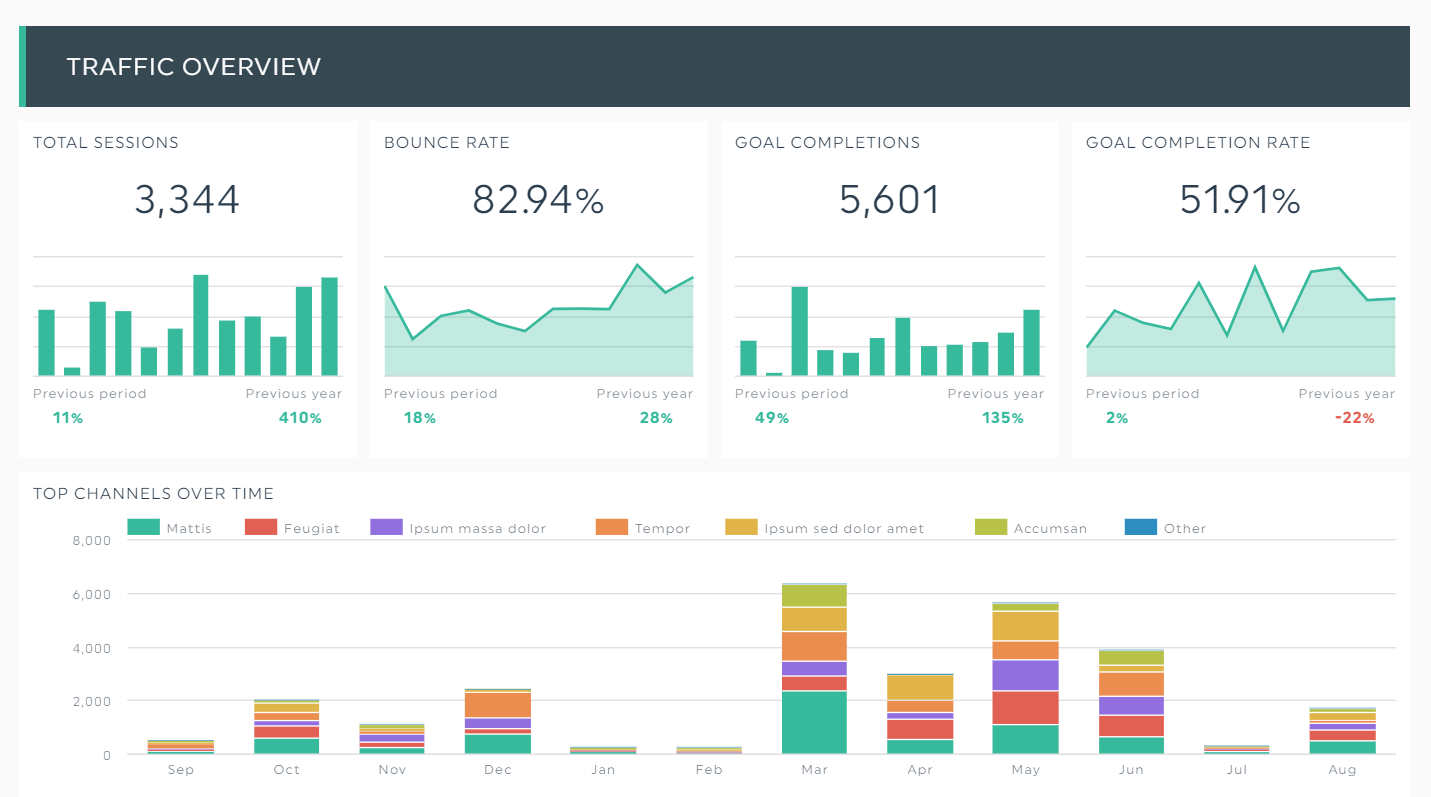
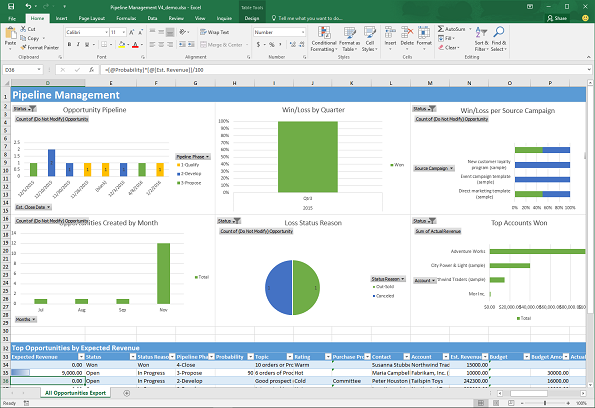
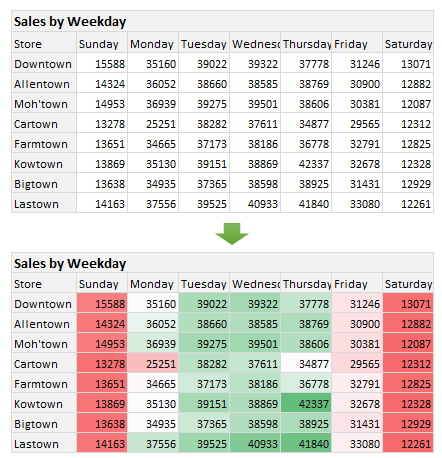
Data fuels AI. Organizations need professionals who can interpret data and extract insights.
Skills Covered
- SQL querying
- Data cleaning and preparation
- Spreadsheet modeling
- Visualization tools like Tableau
- End-to-end analytics workflows
Why It Stands Out
- Strong global brand recognition
- Portfolio-driven learning
- Accessible for career switchers
Many professionals from non-technical backgrounds transition into data analyst roles after completing this certification.
Ideal for: Career changers, business analysts, entry-level tech aspirants.
3. Amazon Web Services Certified Solutions Architect – Associate

Cloud infrastructure powers modern AI systems. AWS dominates global cloud services.
Core Competencies
- Designing scalable architectures
- Security and compliance implementation
- Cost optimization
- Deployment and troubleshooting
Why It’s Critical
- Frequently required for cloud roles
- High compensation range
- Strong enterprise demand
Preparation includes AWS labs, architectural simulations, and scenario-based problem solving.
Ideal for: Technical professionals, IT administrators, aspiring cloud architects.
4. CompTIA Security+


As AI expands, so do cyber threats. Security knowledge is foundational across tech domains.
Coverage Includes
- Network security
- Threat detection
- Risk management
- Cryptography fundamentals
- Compliance frameworks
Security+ is often considered the baseline certification for cybersecurity careers.
Ideal for: Entry-level cybersecurity professionals and IT support specialists.
5. Project Management Institute Certified Associate in Project Management (CAPM)


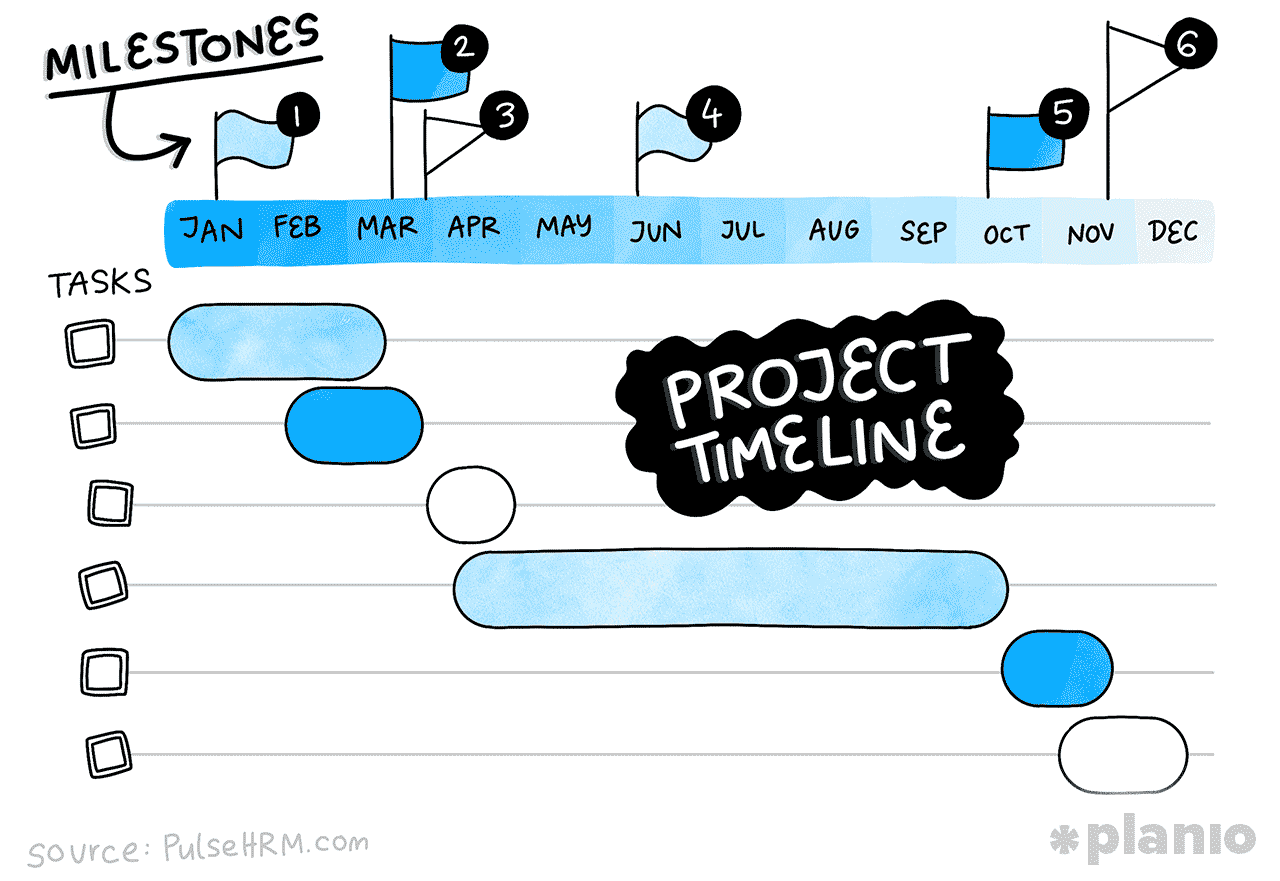
AI initiatives require disciplined project execution.
Key Learning Areas
- Scope management
- Budget control
- Risk mitigation
- Stakeholder communication
- Agile and predictive methodologies
CAPM provides global credibility and acts as a gateway to advanced project management certifications.
Ideal for: Early-career professionals coordinating technical projects.
6. Salesforce Certified Administrator

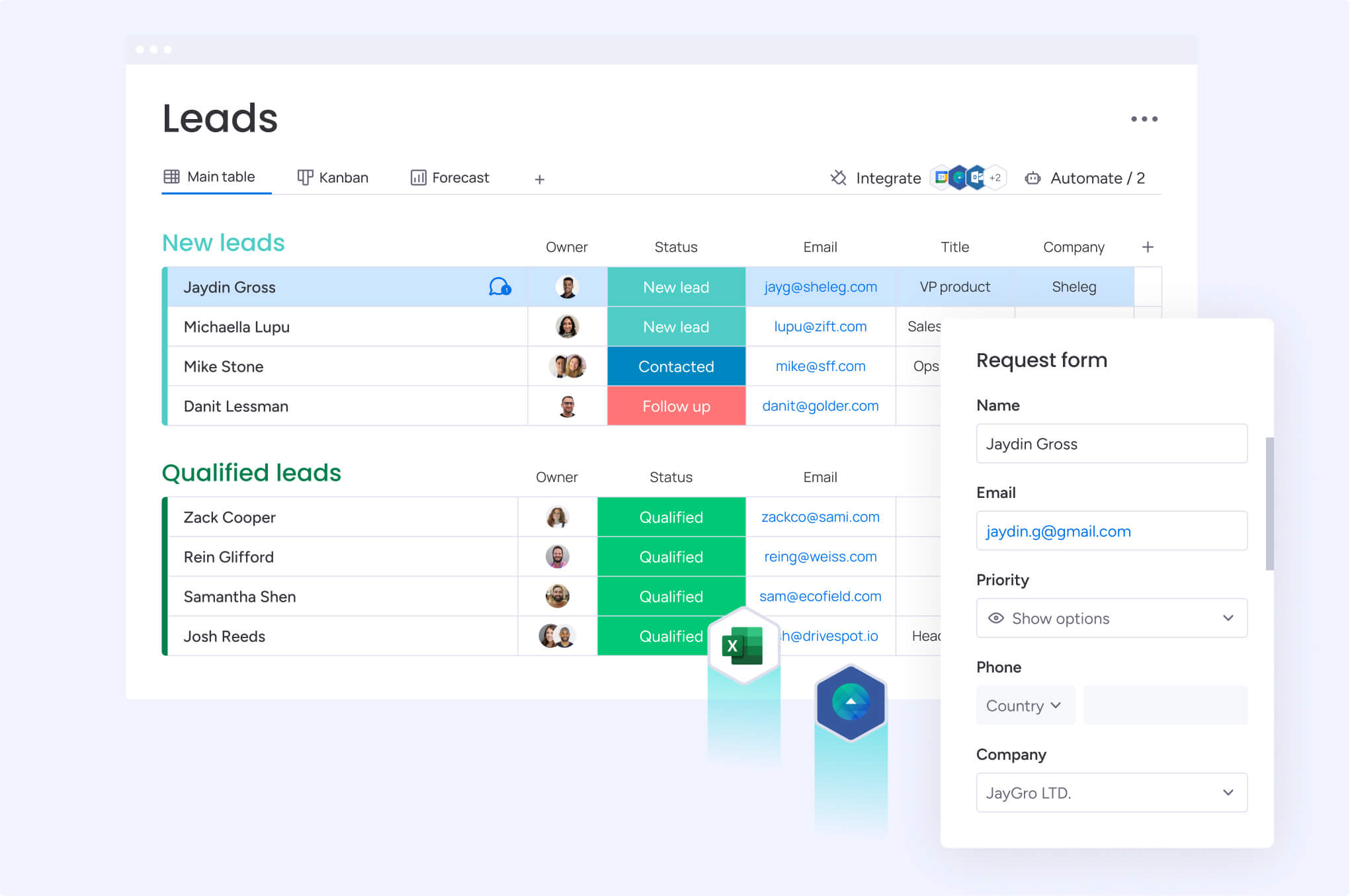

Salesforce dominates the CRM market worldwide. Organizations require administrators to configure and manage these ecosystems.
What You Learn
- User management
- Automation workflows
- Reports and dashboards
- Data security controls
Salesforce Trailhead offers hands-on labs to build experience before certification.
Ideal for: Business operations professionals, CRM specialists.
7. DeepLearning.AI Specializations

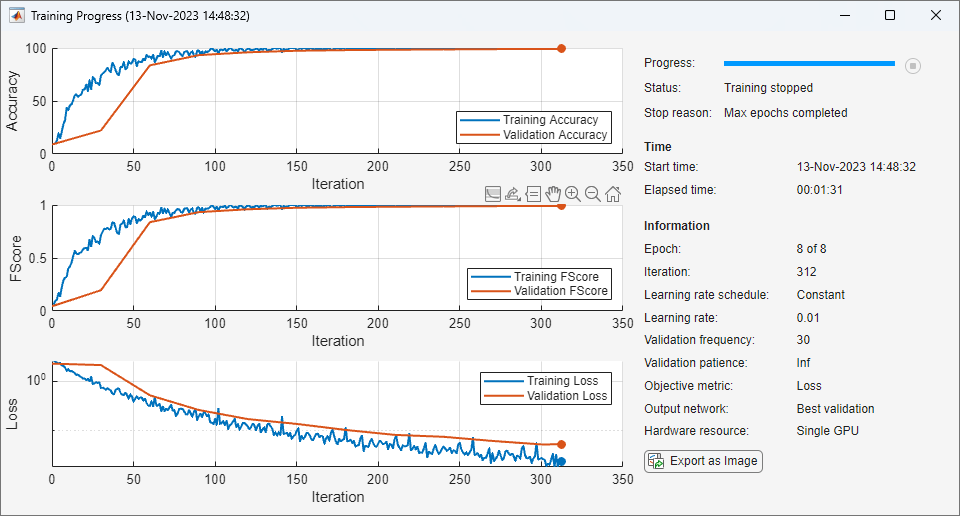
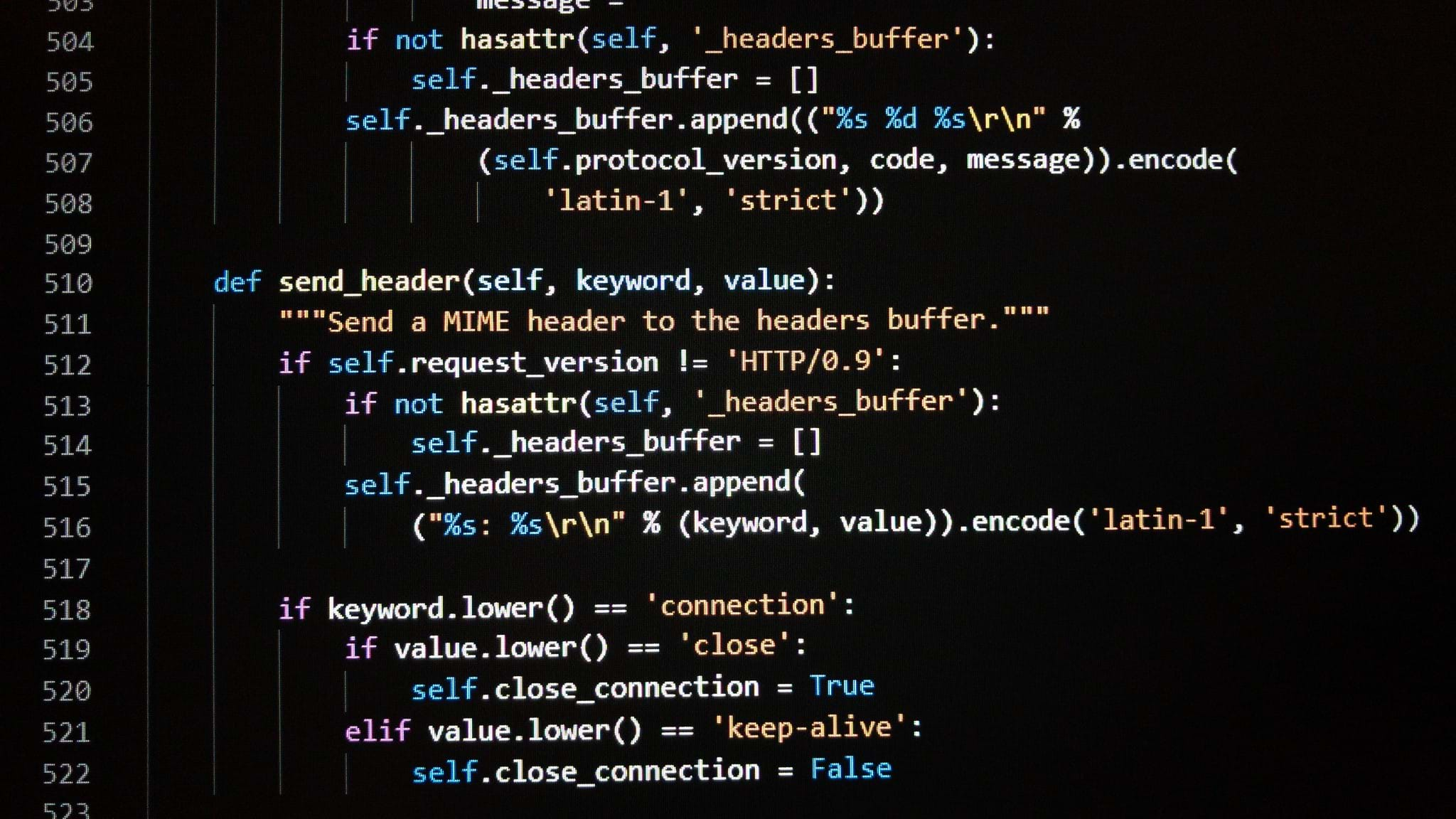

For those who want technical depth, DeepLearning.AI offers structured pathways into:
- Machine Learning
- Neural Networks
- Natural Language Processing
- Model Deployment
Some programming knowledge (typically Python) is required.
Ideal for: Aspiring machine learning engineers and AI specialists.
How to Extract Maximum Value From Any Certification
1. Build Demonstrable Projects
Employers evaluate output, not just certificates. Develop real-world use cases.
2. Create a Professional Digital Footprint
Publish insights on LinkedIn, contribute to discussions, and document projects publicly.
3. Layer Certifications Strategically
For example:
- Data Analytics + AWS
- Security+ + Cloud
- Product Management + AI Fundamentals
Strategic stacking increases career leverage.
Final Thoughts: The Competitive Advantage Window
The AI-driven economy is expanding rapidly. Early adopters of validated, high-impact certifications position themselves ahead of the market.
Traditional degrees build theoretical foundations. Certifications build deployable capability.
The professionals who combine continuous learning, practical application, and visible execution will command the strongest compensation and influence in 2026 and beyond.
FAQ
Do these certifications require coding?
Not all. AI Product Management, CAPM, and Salesforce Administrator require little to no programming.
How long do they take?
Most can be completed within 1–3 months part-time.
Are they globally recognized?
Yes. Certifications from AWS, CompTIA, PMI, Salesforce, Google, and IBM are recognized internationally.
Can they replace a degree?
In many tech roles, demonstrable skill and certification outweigh academic credentials.
The most important decision is not which certification is “best.”
It is which one aligns with your long-term strategic positioning.
Choose deliberately. Execute consistently.


0 Comments